

Team Building After a Merger: How to Turn Two Teams into One
A merger brings together organizations, skills, and resources, but it does not always bring people together just as quickly. Behind new organizational charts, procedures, and financial goals are employees who need to get to know one another, exchange ideas, and find a new way of working together.
This is where corporate team building can make a difference: not as a simple recreational event, but as an opportunity to build trust, bridge divides, and shape a new shared identity.
Two companies, two stories: where do you start?
Every organization develops habits, language, and ways of making decisions over time. When two companies merge, even the smallest differences can become sources of misunderstanding: a meeting handled differently, a procedure interpreted in opposite ways, or a priority considered essential by one group and secondary by the other.
The first step is not to ask everyone to adapt immediately, but to create a space where people can describe how they work and learn about others' approaches. Recognizing differences helps turn them into assets rather than fuel rivalry and mistrust.
Activities that help people become a team
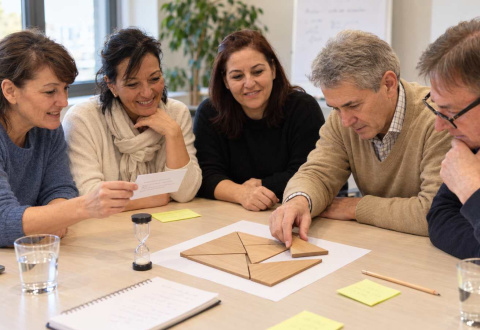
A team-building program after a merger should involve people from both organizations, mixing roles, departments, and levels of responsibility. The goal is to offer experiences where the outcome depends on collaboration, not on belonging to the original group.
Taking on a challenge together
A team challenge, an urban treasure hunt, or a creative activity can help participants get to know one another in a setting different from the workplace. When they need to share information, assign tasks, and make decisions, abilities and strengths often emerge that remain hidden in the daily routine.
Creating something that didn't exist before
A creative, musical, or culinary workshop provides a hands-on way to experience the value of complementary skills. Each participant contributes a different talent, and the final result becomes a metaphor for the new organization: something no group could have achieved on its own.
Imagining the future together
A collaborative activity can be paired with a discussion about shared values, expectations, and goals. The central question should not only be “What do we need to change?” but also “What can we build together that wasn't possible before?”
Trust doesn't develop in just one day
An event can open up new possibilities, but it will not automatically dispel concerns about a merger. People may fear losing their roles, see their responsibilities change, or feel they don't identify with the new company culture.
That's why team building works best as part of a broader program, supported by transparent communication, listening, and consistent behavior from managers. After the activity, it's useful to revisit what emerged and turn it into small everyday commitments: sharing more information, involving colleagues from other departments, or addressing disagreements before they turn into conflicts.
How to tell whether a merger is becoming genuine integration
Success isn't measured solely by the enthusiasm shown during the event. It's important to observe what happens in the following weeks: Are colleagues interacting more? Are departments collaborating more easily? Do people feel free to share ideas and ask for help?
Short surveys, discussions, and regular check-ins can help identify progress and challenges. The most meaningful result is seeing relationships develop that go beyond the boundaries of the two original companies.
Ultimately, a merger is truly complete when people stop thinking of themselves as belonging to two different teams and begin to identify with a shared project. Team building can help make this transition tangible, turning organizational change into an opportunity for collective growth.
Would you like to try creating something new? Share your ideas with us:
Tell us what your company is going through and find out how to design an experience that brings people closer and strengthens collaboration.
Request a free quote and get all the information about your Team Building experience.
Frequently asked questions
When should you organize team building after a merger?
It's useful to arrange it as people begin working together, adjusting the timing and activities to the internal climate and the needs of the transition.
Which activity should you choose?
Collaborative and creative experiences are a good starting point. The choice depends on your goals, the number of participants, and the differences between the groups.
Does team building resolve workplace conflicts?
It can encourage dialogue and trust, but it does not replace careful conflict management or transparent company communication.
How do you evaluate the results?
Observe the quality of relationships, collaboration between departments, and levels of trust in the weeks after the experience.