COULTOURIST! – The tour that changes the way you see Rome
Rome, one detail at a time: art, stories, and discoveries to share.
A fountain viewed up close, a symbol on a façade, a surprising courtyard: COULTOURIST! invites the group to slow down and discover Rome through details that often go unnoticed.
The walking tour passes through the areas of Campo de’ Fiori, the Jewish Ghetto, and Trastevere. Participants move in small groups and meet guides and storytellers at selected stops, sharing observations, curiosities, and points of view. A cultural, participatory experience where listening and discovery become part of the teamwork.
HOW THE EXPERIENCE WORKS
Each group receives a map showing the tour stops. Travel between locations is coordinated so that groups reach the guides at different times and enjoy the stops in smaller groups.
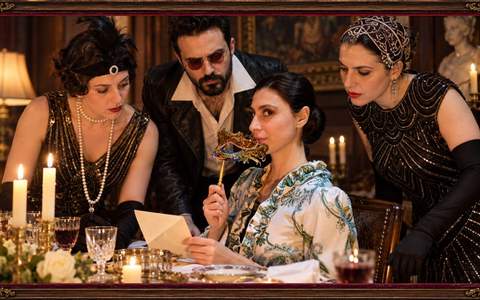
At each location, the story takes shape around a significant detail: a work of art, a viewpoint, an inscription, or a neighborhood story. Short questions and observation challenges can enrich the experience.
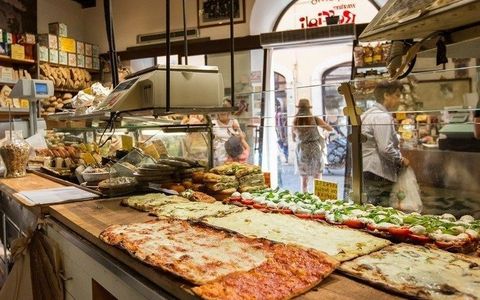
The tour is designed around the group’s interests. On request, street food stops, selected artisan shops, or a final aperitif can be added.
WHY CHOOSE COULTOURIST!
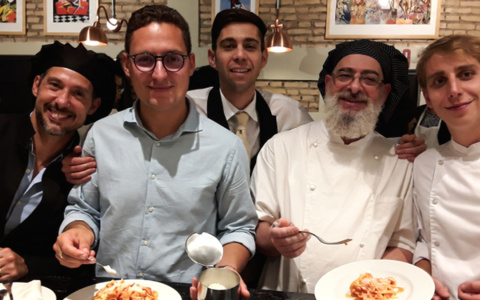
Observing together helps us discover how different people interpret the same place. The tour gives the team a space to exchange ideas and value everyone’s contribution.
- Observation: notice details and connect what you discover.
- Listening: welcome different stories and interpretations.
- Curiosity: ask questions and look beyond first impressions.
- Sharing: create a shared memory of the city.
Suitable for corporate teams, incentive groups, and international groups, with guide content and languages arranged in advance.
FREQUENTLY ASKED QUESTIONS
Do you need to know about Rome’s history?
No. The guides provide insights to help you observe and understand each stop. All you need is curiosity and a desire to share your discoveries.
How long does the tour last?
Generally 2 to 3 hours. The duration and itinerary can be adapted to the event schedule.
Will we visit all the places listed?
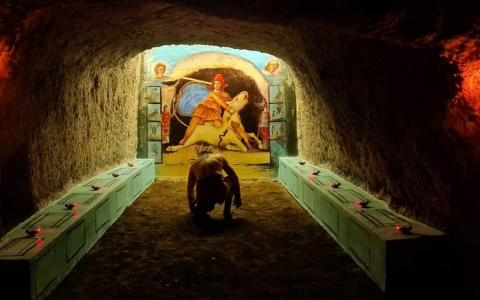
No. The points of interest are potential stops: the selection depends on the duration, interests, opening hours, and availability. Any indoor visits will be arranged as part of the proposal.
Can we add a food stop?
Yes. On request, street food tastings, stops at selected artisan shops, or a final aperitif can be included.
THREE AREAS, SO MANY STORIES TO DISCOVER
ITINERARY AND POINTS OF INTEREST
A selection of places across the tour’s three areas, from the palaces around Campo de’ Fiori to the history of the Jewish Ghetto and the squares and basilicas of Trastevere.
Campo de’ Fiori and surrounding area
Campo de’ Fiori
A lively square where the statue of Giordano Bruno and neighborhood details open up stories about Rome’s history.
Piazza Farnese
The two fountains and the façade of Palazzo Farnese invite you to observe the proportions, symbols, and details of Renaissance Rome.
Palazzo Spada
A palace rich in detail, famous for Borromini’s perspective illusion: an opportunity to discover how architecture can surprise the eye.
Palazzo della Cancelleria
A Renaissance façade to explore through its shapes and proportions, just steps from Campo de’ Fiori.
Jewish Ghetto and surrounding area
Portico d’Ottavia
Columns, inscriptions, and ancient fragments tell the story of a Rome shaped by layers of history, in the heart of the historic Jewish quarter.
Teatro di Marcello
The arches of the ancient theater offer a stop to recognize traces of the Roman city and the transformations that followed.
Fontana delle Tartarughe
In Piazza Mattei, a fountain to observe up close: figures, gestures, and small details become the starting point for the story.
Tempio Maggiore
The Synagogue of Rome is a landmark of the Jewish community and a stop for learning about the history and identity of the neighborhood.
Trastevere
Basilica of Santa Maria in Trastevere
The façade, bell tower, and mosaics offer insights into the art and history of one of the neighborhood’s most iconic places.
Basilica of Santa Cecilia in Trastevere
The courtyard and basilica invite you to explore a quieter side of Trastevere, where works of art and the memory of the place intertwine.
Piazza Trilussa
A square dedicated to the Roman poet Trilussa, where the fountain and the neighborhood’s atmosphere provide opportunities for storytelling and observation.
Ponte Sisto
A view of the Tiber and the connection between Trastevere and the historic center: a stop to observe Rome from another perspective.
Customizable itinerary. Stops, starting point, and finish are arranged to suit the group. Any indoor visits and admissions are detailed in the customized proposal.