



























Team Building Through the Flavors of Rome: A Journey into Culinary Tradition
There is a special moment in every corporate experience: the moment when the formality of roles fades away and gives way to spontaneous sharing. If that moment takes place around a board of Roman pecorino and aromatic herbs, or while an entire team kneads flour and water, the magic of team building becomes an unforgettable shared memory.
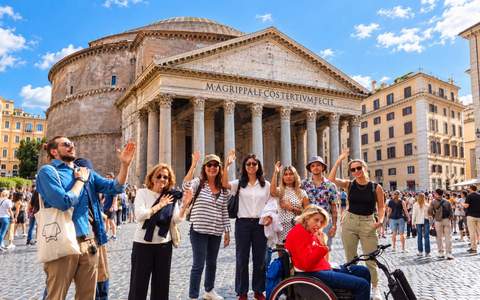
Rome is not just a capital rich in history, centuries-old monuments, and breathtaking views: it is a living laboratory of authentic culinary traditions, where food is first and foremost about coming together, passion, and storytelling. Organizing a culinary team-building event in Rome means offering your team the opportunity to immerse themselves in the essence of the city, competing with rolling pins, discovering historic neighborhood markets, and developing essential organizational skills through the universal language of flavor.
Why Choose a Culinary Team-Building Event in the Capital
In the era of hybrid work and digital interactions, companies increasingly feel the need to reconnect their employees through multisensory, empathetic experiences. Roman cuisine provides the ideal setting for achieving this goal for several strategic reasons:
-
Inclusivity and Collaboration: There are no corporate hierarchies in the kitchen. Executives and new hires work side by side, dividing up tasks and balancing their schedules.
-
Problem-Solving and Execution: Following a traditional recipe requires planning, prioritizing, and coordinating under time pressure.
-
Celebrating Tradition: Discovering the roots of a culinary culture sparks curiosity, respect for ingredients, and collective creativity.
Exclusive Formats: The Best Culinary Experiences for Your Team
Rome’s culinary team-building activities cater to every type of group, from executive meetings to large corporate conventions.
Homemade Pasta and Artisan Pizza Masterclasses
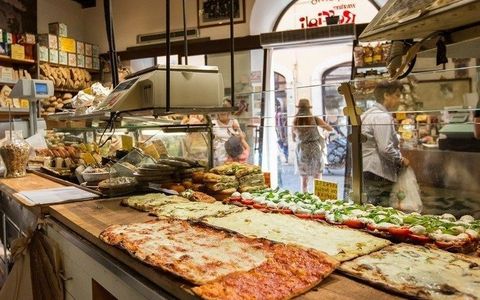
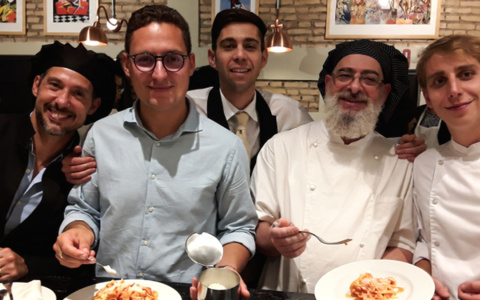
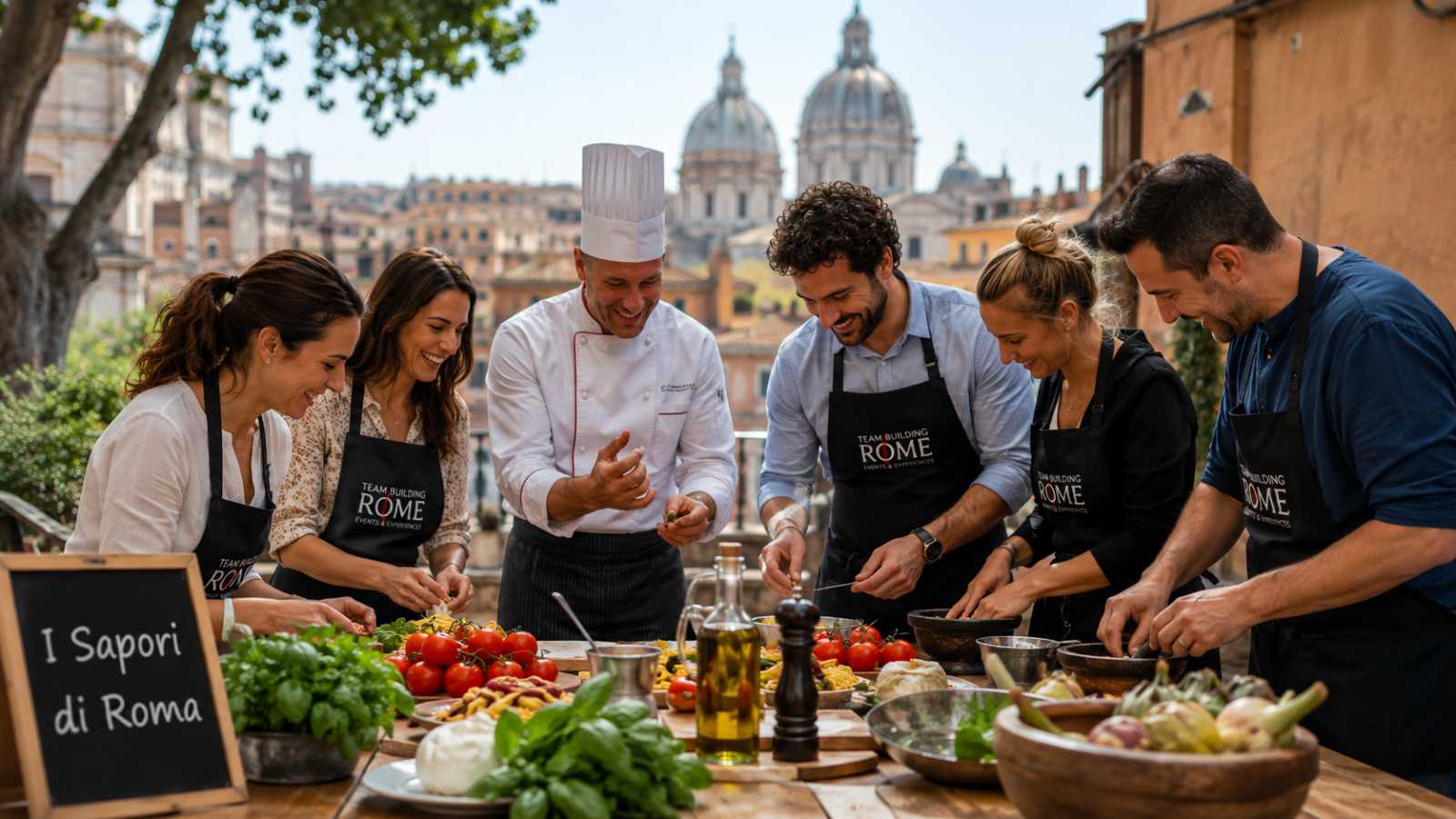
Under the guidance of expert Roman pasta makers and pizzaiolos, the team rolls up its sleeves to learn the secrets behind the Capital’s iconic pasta dishes: Carbonara, Amatriciana, Cacio e Pepe, and Gricia. Divided into kitchen brigades, participants learn to balance the creaminess of egg yolk with the crispiness of IGP Amatrice guanciale and the savory flavor of DOP Pecorino Romano. Making Roman pizza by the meter or round pizza, meanwhile, becomes a perfect visual metaphor for team harmony: from kneading the dough to stretching it out and baking it to perfection.
Street Food Treasure Hunt Through Historic Markets
A lively urban adventure that combines a treasure hunt with culinary exploration. Armed with maps, historical clues, and photo challenges, participants navigate the colorful stalls of Rome’s neighborhood markets to find the fresh ingredients needed for the final challenge.
Wine Tasting and Sensory Team Building
A journey led by professional sommeliers to discover the great wines of Lazio, from the DOCG wines of the Castelli Romani to the outstanding wines of Cesanese del Piglio. Through blind sensory analysis, blind tastings, and aroma-recognition games, the team develops active listening, nonverbal communication, and mutual trust.
Food Trails and Points of Interest (POIs) in Rome
A team-building experience through the flavors of Rome is even more rewarding when set against the backdrop of the iconic places where the city’s culinary culture was born and evolved over time.
Campo de' Fiori and the Heart of the Renaissance
A historic square in the capital and home to one of Rome’s oldest open-air markets. Beneath the gaze of Giordano Bruno, teams enjoy an immersive experience among stalls selling locally grown produce, historic bakeries turning out hot, classic Roman pizza bianca, and outstanding delicatessens specializing in cured meats.
Trastevere and the Testaccio District: The Cradles of Roman Cuisine
Wandering through the winding lanes of Trastevere or around the Testaccio Market means getting close to the heart of Rome’s popular culinary traditions. Historically associated with the old slaughterhouse and the creation of dishes made from offal (such as oxtail stew or Roman-style tripe), Testaccio is now the perfect destination for urban tasting walks and masterclasses in industrial spaces renovated with contemporary flair.
Tiber Island and the Jewish Ghetto
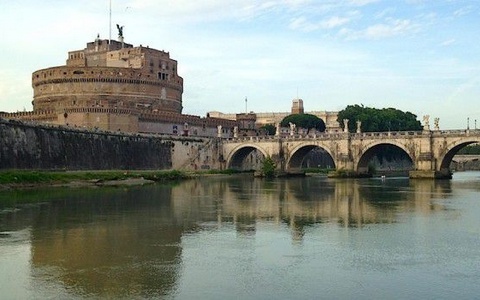
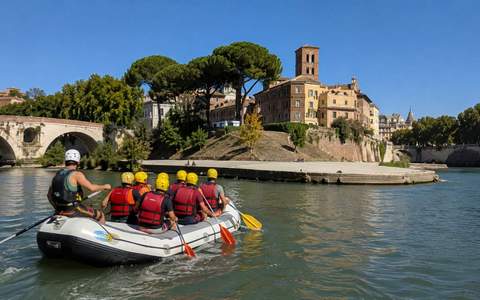
Between the Portico of Octavia and the Tiber lies one of the city’s richest culinary traditions: Roman Jewish cuisine. Here, team-building groups stop to sample the famous carciofi alla giudia (Jewish-style artichokes) or ricotta and sour cherry tart, discovering how cultural integration has shaped the Capital’s food and wine heritage.
How to Plan a Successful Corporate Culinary Event
To ensure maximum engagement and achieve training and participation goals, a culinary team-building event requires meticulous planning:
-
Defining the Objectives: Determine whether the priority is entertainment, integrating new team members, or strengthening leadership.
-
Customizing the Menu: Taking the team’s dietary needs into account (vegetarian, vegan, gluten-free, or allergy-friendly options) ensures every participant can enjoy the experience without restrictions.
-
Training Debriefs: Conclude the activity with a guided reflection led by a facilitator, drawing parallels between the dynamics that emerged during the kitchen challenges and the everyday challenges of the workplace.