


























The best areas in Rome for a treasure hunt: turning the city into a team adventure
Rome is not just one of the most beautiful cities in the world. It is an immense natural setting where every alley tells a story, every square keeps a secret, and every monument can become the decisive clue in a great adventure.
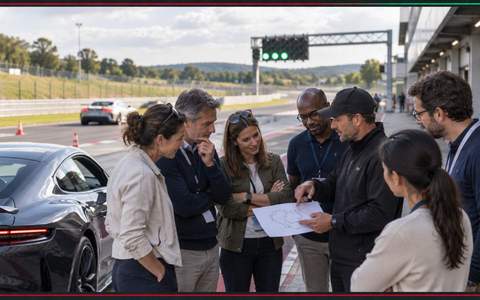
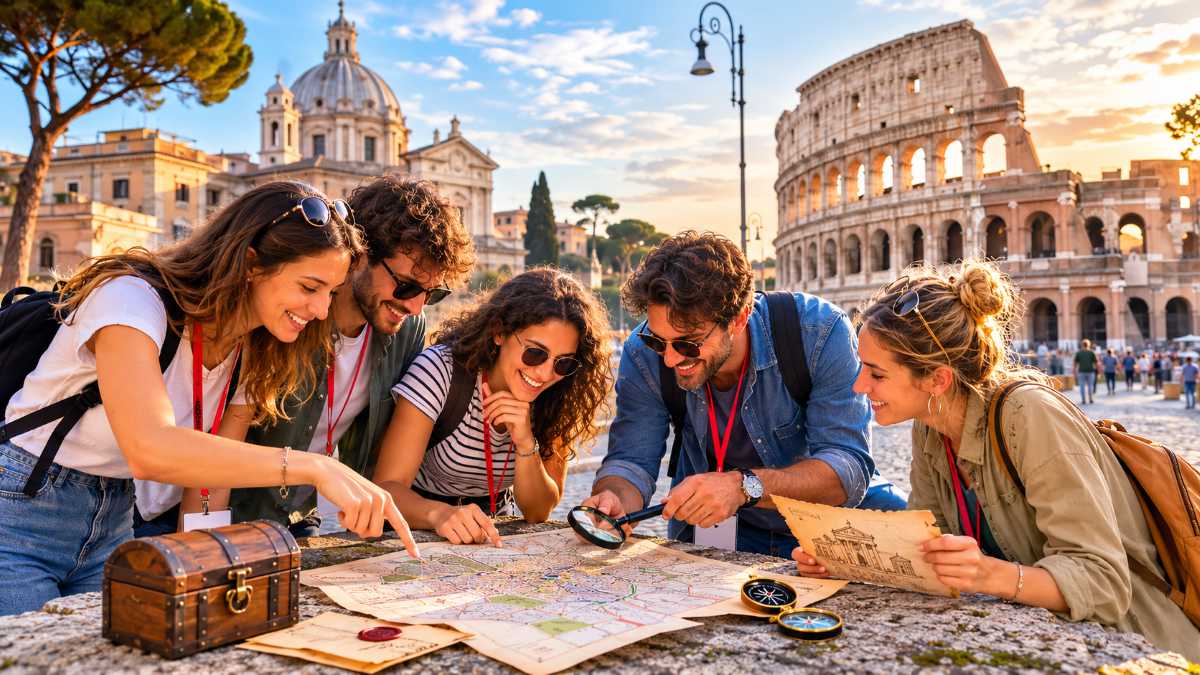
Imagine a group of colleagues, map in hand, walking the streets of the Eternal City in search of puzzles to solve, hidden symbols, and architectural details often overlooked during a typical sightseeing trip. In a few minutes, the group stops being simply a collection of people and becomes a real team—capable of collaborating, observing, communicating, and making decisions together.
This is precisely why treasure hunts are today one of the most requested team-building activities in Rome: they combine fun, culture, movement, and collaboration, enhancing the city’s historic heritage.
Why Rome is the ideal city for a corporate treasure hunt
Not all cities offer the same level of engagement. Rome has unique features that make every route different from the last.
The extraordinary concentration of monuments, historic lanes, squares, fountains, churches, and archaeological finds makes it possible to create games that are always new—adaptable to both small groups and corporate events with hundreds of participants.
Each neighborhood tells a different chapter in the city’s history and becomes the perfect stage for challenges based on observation, logic, navigation, and cooperation.
What makes a treasure hunt effective
A good treasure hunt isn’t simply about finding objects.
The clues should encourage:
-
collaboration;
-
distributed leadership;
-
problem solving;
-
creativity;
-
communication;
-
time management;
-
observation skills.
When the route is built around the city, every urban detail becomes part of the game.
The best areas in Rome to organize a treasure hunt
Historic Center: the big classic that always surprises
The Historic Center is the ideal starting point.
Here, every corner offers hundreds of hidden details that even many locals often miss.
Among the most engaging settings are:
-
Piazza Navona
-
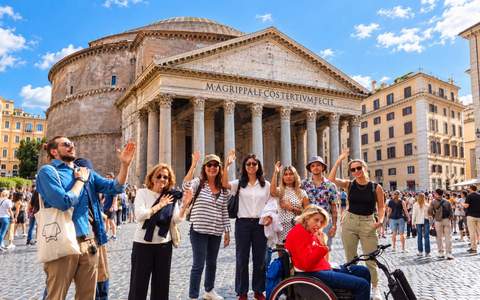
the Pantheon
-
Trevi Fountain
-
Spanish Steps
-
Campo de’ Fiori
Each square makes it possible to create puzzles based on statues, inscriptions, symbols, perspectives, and historical curiosities.
Participants learn to look at Rome with completely new eyes.
Trastevere: the neighborhood of secret viewpoints
For those who want an authentic atmosphere, Trastevere is the perfect location.
Its narrow streets, medieval arches, intimate squares, and historic buildings allow for routes full of surprises.
Among the main points of interest we find:
-
Basilica of Santa Maria in Trastevere
-
Piazza Trilussa
-
Historic lanes
-
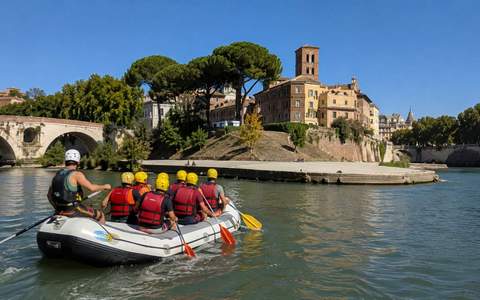
Tiber Island
Here, the game takes on a more relaxed pace but remains extremely engaging.
Teams must spot small architectural details that would normally go unnoticed.
Villa Borghese: nature and strategy
When you want to alternate culture with green spaces, Villa Borghese offers an ideal setting.
The large park makes it possible to develop dynamic activities, perfect even during the warmer seasons.
Among the main POIs we find:
-
Villa Borghese’s small lake
-
Temple of Aesculapius
-
Pincio Terrace
-
Water clock
-
Lakeside Garden
The presence of ample space makes it possible to include light physical challenges, creative activities, and team games.
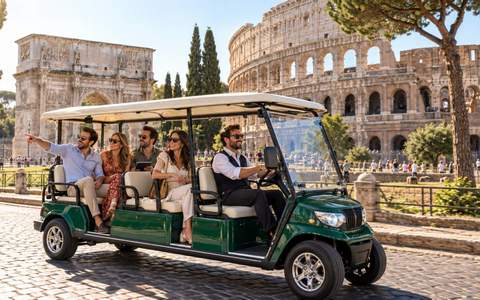
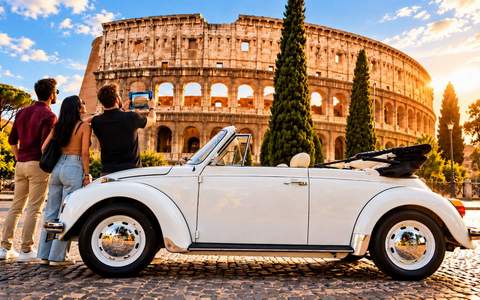
Imperial Forums and the Colosseum: history becomes a game
Few places in the world have a narrative power equal to this area.
Walking among the Colosseum, the Imperial Forums, and Capitoline Hill means immersing yourself in more than two thousand years of history.
The challenges can involve:
-
symbols of ancient Rome;
-
emperors;
-
myths;
-
inscriptions;
-
archaeological curiosities.
The setting makes every riddle even more engaging.
Rione Monti: the creative neighborhood
Monti is one of the most dynamic neighborhoods in the city.
Alongside historic buildings, you’ll find artisan workshops, distinctive venues, and perfect photo spots.
A treasure hunt in this area can alternate:
-
artistic details;
-
historic signs;
-
medieval architecture;
-
contemporary installations.
It’s a solution highly appreciated by corporate groups looking for an experience that’s less touristy and more original.
EUR: contemporary Rome
For those who want a modern setting, EUR offers plenty of space, monumental architecture, and routes that are easy to manage even with large groups.
Among the points of interest we find:
-
Palazzo della Civiltà Italiana
-
EUR’s small lake
-
Marconi Obelisk
-
Basilica of Saints Peter and Paul
The geometric lines of the buildings make it possible to create photo challenges, orientation tasks, and observation-based games.
How to choose the right area
Based on the number of participants
For small groups, these work very well:
-
Trastevere;
-
Rione Monti;
-
Historic Center.
For events with many people, these are more suitable:
-
Villa Borghese;
-
EUR;
-
Imperial Forums area.
Based on company goals
If the goal is to improve communication, neighborhoods rich in lanes and varied routes allow teams to compare notes continuously.
If, on the other hand, you want to work on problem solving, monumental areas make it possible to build complex riddles packed with historical references.
Technology and gamification
Modern treasure hunts don’t use only paper maps.
Today, it’s possible to integrate:
-
smartphones;
-
QR Codes;
-
augmented reality;
-
interactive quizzes;
-
real-time leaderboards;
-
photo challenges;
-
video challenges.
Technology makes the game even more engaging without taking away space for interaction among participants.
The benefits for team building
A well-designed treasure hunt helps develop transferable skills that can also be applied to everyday work.
Among the main benefits are:
Spontaneous collaboration
Each participant brings their own skills to reach a shared goal.
Natural leadership
Responsibilities change continuously during the route, encouraging distributed leadership.
Problem solving
The riddles require logic, creativity, and decision-making skills.
Effective communication
Limited time forces groups to share information and strategies quickly.
Emotional engagement
The experience is remembered much longer than a traditional training activity.
Conclusion
Rome is a huge open-air laboratory where history, art, and culture become tools for collaboration.
Each neighborhood offers different characteristics, making it possible to design fully customized experiences based on the company’s goals, the number of participants, and the available time.
Whether you choose Trastevere’s lanes, the squares of the Historic Center, the paths of Villa Borghese, or the monumentality of EUR, a well-organized treasure hunt can always turn a simple walk into a memorable experience—one that strengthens relationships, boosts teamwork, and leaves a positive lasting memory