


























How to choose the perfect Team Building activity for your company
Every company, sooner or later, faces the same question: what Team Building is best suited to our group?
Surprisingly, the answer does not depend on the most fun or the most original activity. It depends on the people, the goals, and the story the team is experiencing at that specific moment.
Imagine two companies.
The first consists of a group just formed, made up of people who don’t know each other well yet. The second has been working together for years, but is going through a period of major organizational changes.
Offering the same experience to both would be a mistake.
Team Building works for real when it is tailored, turning a simple event into a concrete opportunity for growth.
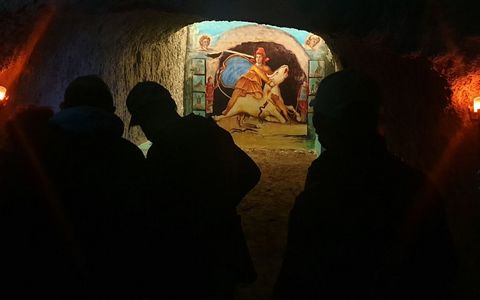
Rome, with its extraordinary historical, artistic, and cultural heritage, provides the ideal backdrop for creating experiences capable of leaving a lasting mark. Every square, every alley, and every monument can become an integral part of a journey that brings people together, strengthens relationships, and develops skills.
Why choose Team Building carefully
In recent years, Team Building has become a strategic tool for companies.
It no longer represents only a recreational moment, but an investment in human capital.
A properly designed activity makes it possible to improve:
-
communication;
-
collaboration;
-
leadership;
-
mutual trust;
-
problem solving;
-
stress management;
-
decision-making ability;
-
sense of belonging.
Choosing the right experience therefore means achieving tangible results that will continue to create value even after you’re back in the office.
The first step: defining the objective
What result do you want to achieve?
Before choosing an activity, it’s necessary to answer a fundamental question.
Why organize a Team Building?
The goals can be very different.
For example:
-
help new colleagues get to know each other;
-
improve communication between departments;
-
increase collaboration;
-
celebrate an important company milestone;
-
motivate the sales team;
-
strengthen leadership;
-
develop problem solving;
-
manage an organizational change.
Each objective requires a different format.
Knowing your team
Every group has different needs
There is no single perfect activity for everyone.
It’s essential to analyze certain characteristics of the group.
Age of participants
Activities must be engaging for all age groups.
Number of participants
There are ideal formats for small groups and others designed for conventions with hundreds of people.
Level of mutual familiarity
A newly formed team needs activities that make it easier to get to know one another.
Established groups, on the other hand, can tackle more complex challenges.
Physical conditions
Inclusion is an essential element today.
Every participant must be able to experience the event actively.
Outdoor or Indoor?
Outdoor activities
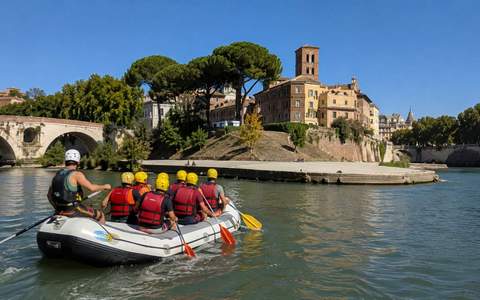
Rome offers extraordinary settings for outdoor experiences.
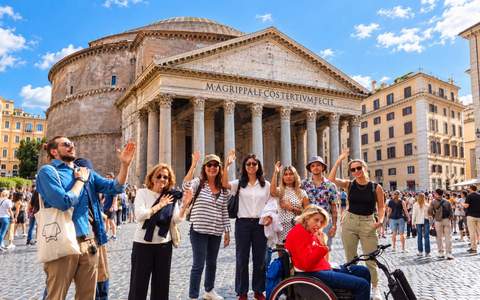
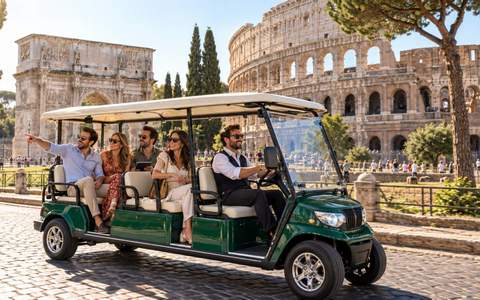
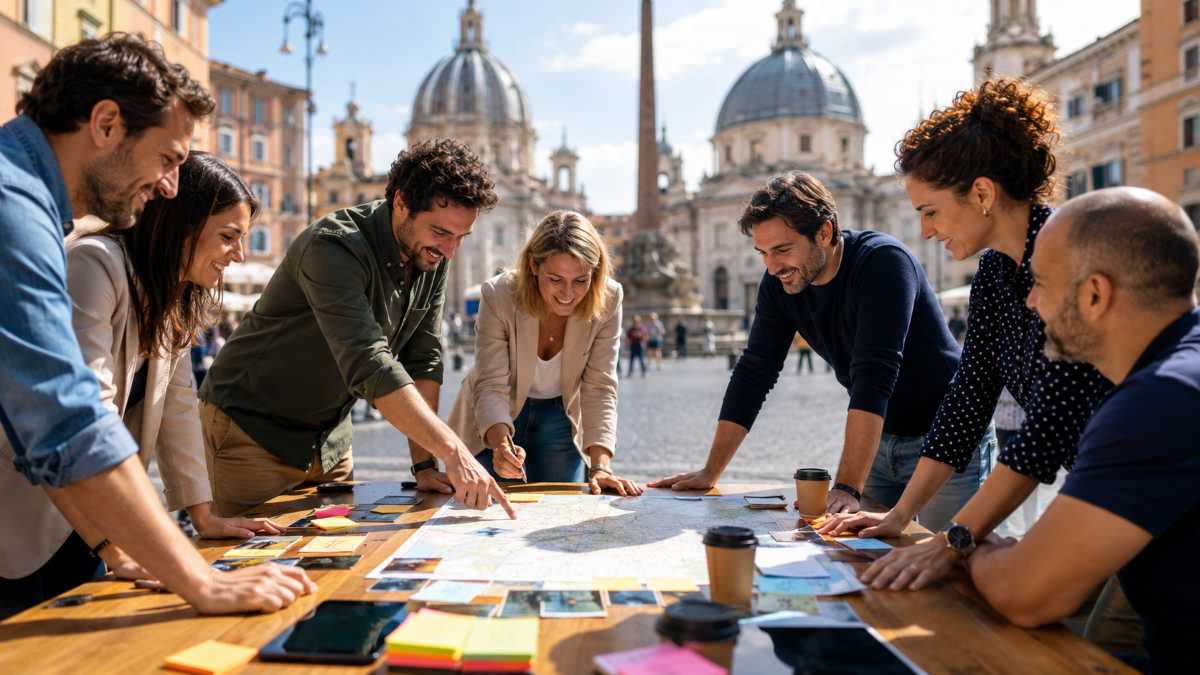
A treasure hunt between the Colosseum, the Imperial Forums, and Piazza Navona makes it possible to combine culture, fun, and teamwork.
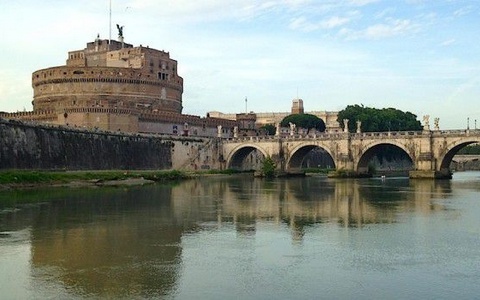
Places like Villa Borghese, Trastevere, and Castel Sant’Angelo also offer routes full of challenges and emotions.
Outdoor activities are ideal when you want to encourage movement, energy, and engagement.
When to choose them
-
spring;
-
summer;
-
early autumn;
-
incentive events;
-
company conventions.
Indoor activities
Indoor experiences ensure maximum flexibility throughout the year.
Among the most appreciated are:
-
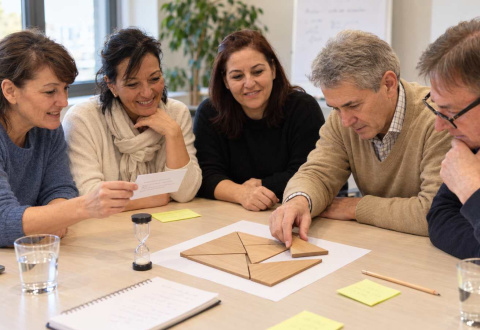
Team Building with LEGO®;
-
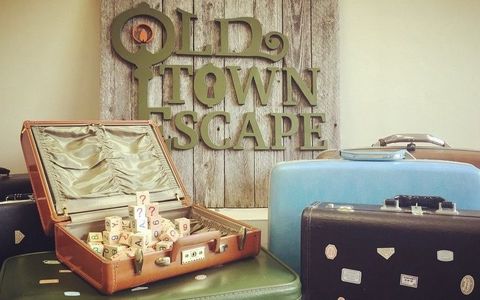
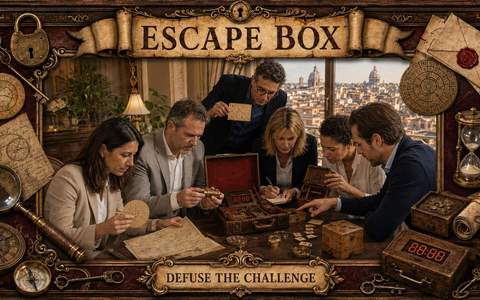
corporate escape rooms;
-
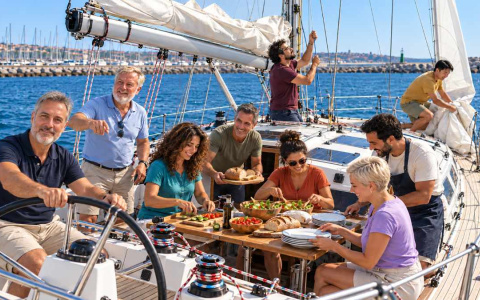
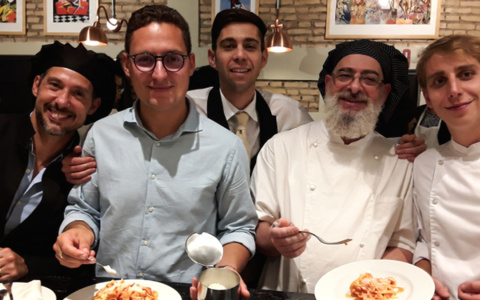
cooking team building;
-
team percussion;
-
interactive quizzes;
-
creative workshops.
They are particularly suitable when the focus is collaboration and communication.
The most effective activities based on the goals
To improve collaboration
Tech-based treasure hunts are one of the most effective solutions.
Teams must share information, make quick decisions, and face constantly different challenges.
To develop creativity
Building activities, art workshops, and Team Building with LEGO® make it possible to turn abstract ideas into concrete projects.
To strengthen leadership
Strategic challenges naturally highlight the participants’ organizational skills.
The leader emerges spontaneously through listening and managing the group.
To increase motivation
Experiential activities and incentive events create positive memories that strengthen the sense of belonging.
The importance of personalization
One of the most common mistakes is offering standardized activities.
Today, companies look for experiences built around their values.
The puzzles can reference the company’s history.
The challenges can be inspired by products, services, or the event’s goals.
Even the final awards ceremony can be turned into a symbolic moment capable of reinforcing the company message.
This personalization makes each experience unique and far more effective.
Technology makes Team Building even more engaging
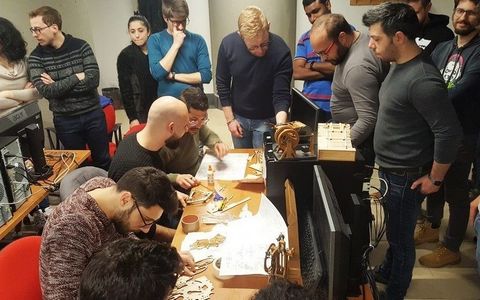
Modern experiences use digital tools capable of increasing engagement.
Tablets, interactive maps, multimedia quizzes, real-time leaderboards, and photo missions turn every participant into the main character of the event.
Gamification increases motivation and makes learning natural, spontaneous, and fun.
Benefits that last over time
The real value of Team Building doesn’t end with the conclusion of the event.
The results continue to show up in the months that follow.
Among the main benefits:
More effective communication
People learn to listen to each other better.
More natural collaboration
Individual skills are valued.
Greater trust
The group faces even the most complex work challenges with greater calm.
Positive company atmosphere
Sharing a meaningful experience improves organizational well-being.
Rome: the perfect setting for building relationships
Few cities can turn a Team Building into a memorable experience like Rome.
Walking among millennia-old monuments, solving riddles in the alleys of the historic center, collaborating inside monumental parks, or experiencing innovative activities in the city’s most modern locations means combining emotion, culture, and training.
Every experience becomes a shared story.
Every team creates new memories.
Every participant returns to the company with a different awareness: success does not come from the abilities of the individual, but from the strength of the group.