


























What Happens to the Brain During Team Building: The Neuroscience of Corporate Connection
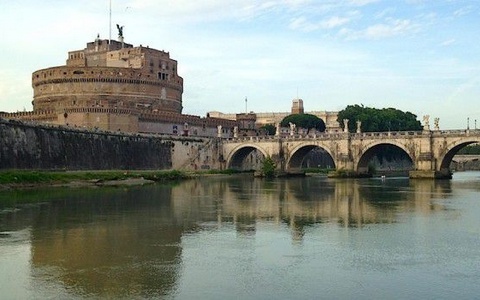
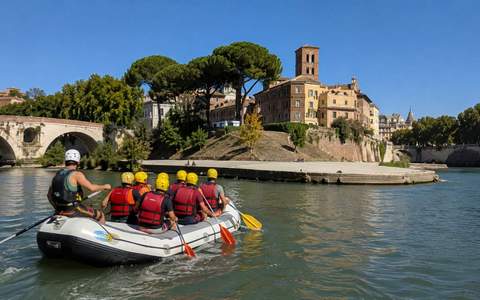
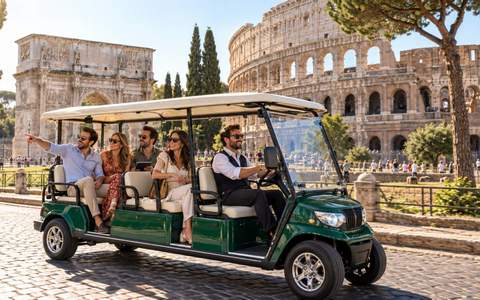
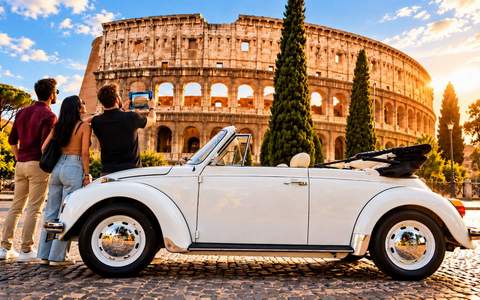
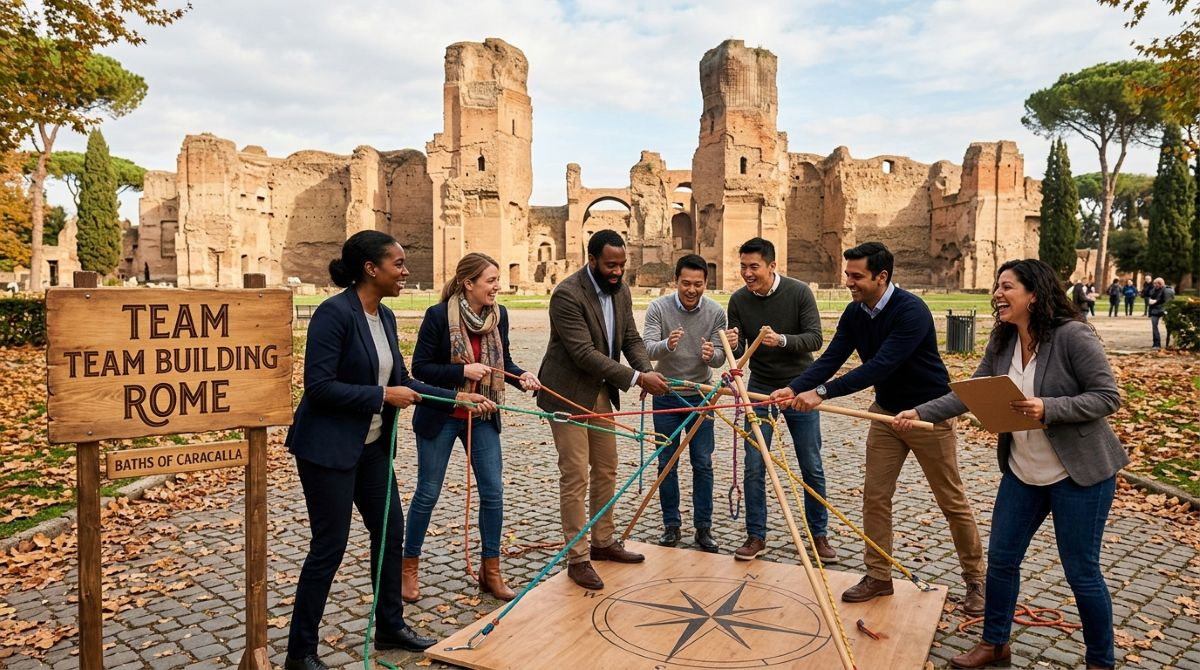
Imagine this scene: a bright autumn morning in Rome. The warm October sun lights up the ancient arches of the Colosseum, and the breeze among the maritime pines of Colle Oppio carries with it the scent of golden leaves. A group of colleagues, used to interacting only through Teams screens or rigid corporate emails, finds themselves immersed in the heart of Villa Borghese for an interactive treasure hunt. At first there’s a hint of hesitation, then the first laugh bursts out suddenly, followed by a "high-five" for solving a riddle on a Bernini statue.
What’s happening in that exact moment? It’s not just about fun or taking a break from the work routine: a true neurobiological transformation is taking place.
Stepping away from the desk and entering a stimulating setting like the Eternal City activates deep brain mechanisms that reshape group dynamics, lower stress, and multiply productivity. Let’s explore together what happens inside our minds when we experience a well-designed team-building event.
The Chemistry of Trust: Dopamine, Oxytocin, and Cortisol
The human brain is a highly social organ. When we work under tight deadlines, immersed in office routine, our nervous system produces high levels of cortisol, the stress hormone. An excess of cortisol narrows our focus toward self-defense, reduces empathy, and inhibits creativity.
An outdoor corporate activity triggers a real positive chemical storm:
-
The Drop in Cortisol: Walking through Roman gardens, breathing clean air, and taking our eyes off screens drastically reduces stress levels within just a few minutes.
-
The Peak in Oxytocin: Known as "the hormone of trust and social bonding," oxytocin is released when we share a common goal, laugh together, or collaborate without the pressure of judgment. It’s the molecule that turns a group of individuals into a close-knit team.
-
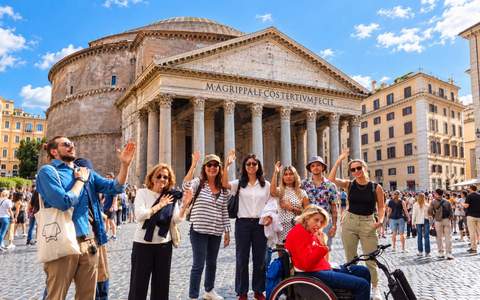
The Boost of Dopamine: Solving a group challenge—whether it’s deciphering a secret code near the Pantheon or completing an urban adventure circuit—activates the brain’s reward circuit, increasing motivation and the feeling of satisfaction.
The Role of Mirror Neurons and the “Aneurysm of Silence”
Why are shared field experiences infinitely more effective than hundreds of leadership slides? The answer lies in mirror neurons.
Mirroring the Colleague: Unconscious Empathy
Mirror neurons allow us to "feel" and understand other people’s actions and emotions. When you see a colleague pass a test or express genuine enthusiasm in front of a breathtaking view of the Roman Forum from the Terrazza del Pincio, your brain mirrors that emotion. This process creates deep and immediate empathy, knocking down hierarchical barriers that often take years to overcome in the office.
Brain Synchronization (Inter-Brain Synchrony)
Recent neuroimaging studies show that when people successfully collaborate on a practical and stimulating task, their brain-wave patterns tend to synchronize. This "inter-brain synchrony" improves nonverbal communication, speeds up the team’s reaction times, and lays the groundwork for smooth, intuitive cooperation even after returning to the office.
Creativity and Problem Solving: Activating the Default Mode Network (DMN)
At the office, we constantly use the Task-Positive Network (TPN), the brain network responsible for focused work, data analysis, and solving immediate problems. However, TPN alone leads to cognitive fatigue and creative blocks.
When we move to a stimulating environment like Rome’s historic center or the capital’s historic parks, we activate the Default Mode Network (DMN), also known as the wandering-thought and imagination network.
-
New Visual and Cultural Stimuli: The architectural beauty and history of Rome stimulate the hippocampus, the brain area linked to memory and learning.
-
Unlocking Creative Integration: When the DMN and the TPN work in harmony—which happens during a playful training activity—more innovative ideas and solutions to complex problems emerge.
Why Choose Rome as a Brain Gym?
Not all environments stimulate the brain in the same way. Architecture, natural light, and immersion in beauty have a direct impact on neuroplasticity, meaning the brain’s ability to create new neural connections.
Organizing a team-building event among the grandeur of Piazza Navona, the peacefulness of Villa Doria Pamphili, or the allure of Trastevere gives the brain what neuroscientists call "positive arousal": an optimal level of emotional activation that strengthens memories and makes formative learning last over time.
If you want to experience this event—or something similar—click here; you’ll find our proposals: